
Businesses and communities depend on countless services to operate efficiently, maintain infrastructure, and support everyday activities. While some industries are highly visible, others work behind the scenes to keep transportation systems functioning, workplaces safe, and essential resources available. Without these services, even routine business operations could face significant disruptions.
From maintaining commercial properties to supporting manufacturing and transportation, specialized industries contribute to economic stability and community development. Their work helps businesses operate more efficiently, protects valuable investments, and ensures that important infrastructure remains dependable. Understanding how these industries function can also help business owners make informed decisions when selecting professional services.
Whether you’re managing a commercial property, operating a growing business, or overseeing community facilities, knowing which services are available can make planning and maintenance easier. The following ten industries provide essential support while helping businesses and communities remain safe, productive, and prepared for future challenges.
Create More Productive Workspaces With Durable, Functional Furnishings
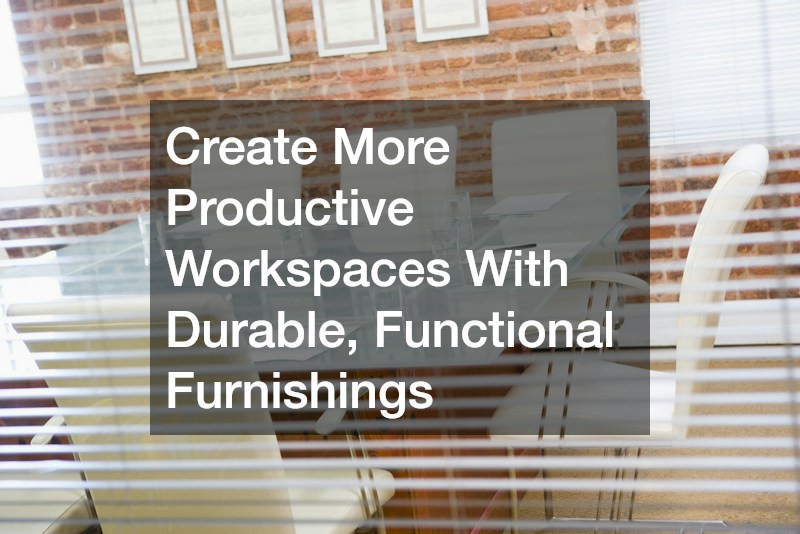
A well-designed workplace can improve employee comfort, support productivity, and create a welcoming environment for customers. Furniture plays an important role in achieving these goals, particularly in offices, healthcare facilities, schools, and other commercial settings.
Choosing appropriate furnishings requires more than selecting attractive designs. Businesses should evaluate available space, daily activities, accessibility, and long-term maintenance requirements.
Consider these important factors when planning workspace improvements:
- Ergonomic support: Choose adjustable seating and workstations that accommodate different employees and tasks.
- Durable materials: Select surfaces and fabrics designed to withstand frequent commercial use.
- Efficient layouts: Arrange furniture to maintain clear walkways and encourage productive workflows.
- Flexible configurations: Consider modular furnishings that accommodate future growth or changing needs.
- Storage solutions: Incorporate cabinets and shelving to reduce clutter and improve organization.
Working with a commercial furniture company can help businesses coordinate furniture selection, space planning, delivery, and installation.
Before purchasing, compare warranties, replacement options, maintenance requirements, and overall costs. Businesses should also consider accessibility standards and how furniture arrangements affect movement throughout the building.
Improve Production Efficiency With Small-Scale, Precision Manufacturing
Manufacturing supports countless industries by producing components, equipment, and finished products used in everyday operations. While large factories handle substantial production volumes, smaller manufacturing operations often specialize in precision work, prototypes, and limited production runs.
These services can be particularly valuable for businesses developing new products or requiring specialized components that aren’t readily available through standard suppliers.
Before beginning a manufacturing project, businesses should consider:
- Product specifications: Provide accurate measurements, material requirements, and performance expectations.
- Production quantities: Determine whether small batches or larger manufacturing runs make financial sense.
- Quality standards: Establish inspection procedures and acceptable tolerances before production.
- Material availability: Confirm that necessary materials can be sourced consistently.
- Delivery timelines: Allow sufficient time for prototyping, testing, revisions, and production.
A micro manufacturing company can help businesses develop specialized products without committing to unnecessary inventory or large production orders.
Clear communication between designers, manufacturers, and customers is essential for preventing errors and managing expectations.
By supporting product development and flexible production, smaller manufacturers contribute to innovation, local supply chains, and business growth.
Extend Equipment Life With Protective Finishes and Proper Surface Preparation
Metal equipment, furniture, machinery, and structural components frequently face exposure to moisture, friction, chemicals, and everyday wear. Without appropriate protection, these conditions can cause corrosion, surface damage, and premature deterioration.
Protective coatings help preserve metal surfaces while improving their appearance. Powder coating is commonly used for suitable metal products because it can provide a durable, uniform finish.
Businesses considering protective finishing should evaluate several factors:
- Surface preparation: Remove dirt, grease, rust, and existing coatings when necessary.
- Environmental exposure: Consider whether equipment will face moisture, sunlight, chemicals, or extreme temperatures.
- Coating selection: Choose finishes designed for the material and expected operating conditions.
- Appearance requirements: Compare available colors, textures, and finish options.
- Quality control: Confirm that coating thickness and curing procedures meet project specifications.
A powder coating company can help determine appropriate finishing methods and prepare components for treatment.
Proper preparation is especially important because contamination or inadequate surface cleaning can affect coating adhesion and durability.
Investing in suitable protective finishes can reduce maintenance needs, preserve equipment appearance, and help extend the useful life of valuable metal products.
Minimize Roadside Disruptions With Reliable Vehicle Recovery Planning

Transportation is essential for businesses that depend on deliveries, service vehicles, commercial fleets, and employee travel. Unexpected breakdowns or accidents can interrupt schedules, delay shipments, and create safety concerns.
Having a reliable roadside assistance plan helps businesses respond more efficiently when vehicle problems occur. This preparation is particularly important for organizations operating multiple vehicles or transporting valuable equipment.
Consider these practical steps when developing a response plan:
- Maintain emergency contacts: Keep updated roadside assistance information available to drivers.
- Document vehicle details: Record vehicle identification, weight classifications, and relevant equipment requirements.
- Establish safety procedures: Train drivers to prioritize personal safety and follow appropriate roadside precautions.
- Understand recovery needs: Determine whether vehicles require light-duty, medium-duty, or heavy-duty equipment.
- Review coverage: Confirm which services are included in insurance or roadside assistance agreements.
Partnering with a dependable towing company can help businesses arrange vehicle recovery and transportation when unexpected problems arise.
Before selecting a provider, compare service areas, operating hours, equipment capabilities, and pricing policies.
Reliable recovery planning can reduce unnecessary downtime while helping businesses restore normal transportation operations more quickly.
Keep Freight Moving Safely With Consistent Rail Infrastructure Maintenance
Rail transportation plays an important role in moving agricultural products, raw materials, manufactured goods, and other essential commodities. Businesses across numerous industries rely on dependable rail networks to maintain supply chains and transport large quantities of freight.
However, railway infrastructure requires regular inspections, repairs, and maintenance to remain safe and operational. Neglected tracks, drainage problems, or damaged components can contribute to delays and safety risks.
Important maintenance priorities include:
- Track inspections: Identify worn rails, damaged ties, and alignment concerns.
- Drainage management: Prevent water accumulation that can weaken track foundations.
- Vegetation control: Maintain visibility and appropriate clearance around railway infrastructure.
- Crossing maintenance: Keep designated crossings and related equipment functioning properly.
- Preventive repairs: Address developing problems before they cause significant interruptions.
Specialized railway service companies support rail operators and industrial facilities through construction, inspection, maintenance, and repair services.
Businesses relying on freight transportation should communicate shipment requirements and prepare for potential maintenance-related disruptions.
Consistent infrastructure investment supports reliable transportation, reduces operational interruptions, and helps communities maintain access to essential goods and materials.
Improve Transportation Safety With Well-Maintained Roads and Parking Areas
Roads, parking lots, driveways, and commercial access routes support daily transportation and business operations. When these surfaces deteriorate, they can create safety hazards, drainage problems, and unnecessary vehicle damage.
Regular inspections and timely maintenance help property owners identify concerns before repairs become more extensive and expensive.
Common pavement maintenance priorities include:
- Crack repairs: Seal appropriate cracks to reduce water infiltration and further deterioration.
- Pothole repairs: Address damaged areas that create hazards for vehicles and pedestrians.
- Drainage improvements: Correct standing water and improper surface grading.
- Surface maintenance: Consider appropriate treatments to protect pavement from weather exposure.
- Accessibility: Maintain safe pedestrian routes, parking areas, and designated accessible spaces.
Experienced paving companies can evaluate pavement conditions and recommend repairs, resurfacing, or complete replacement based on existing damage.
Material selection also matters. Asphalt and concrete have different installation costs, maintenance requirements, and performance characteristics.
Property owners should establish inspection schedules and address minor damage promptly.
Maintaining paved surfaces improves accessibility, supports safer transportation, and helps commercial properties maintain a professional appearance.
Reduce Industrial Waste Through Responsible Metal Recovery and Recycling
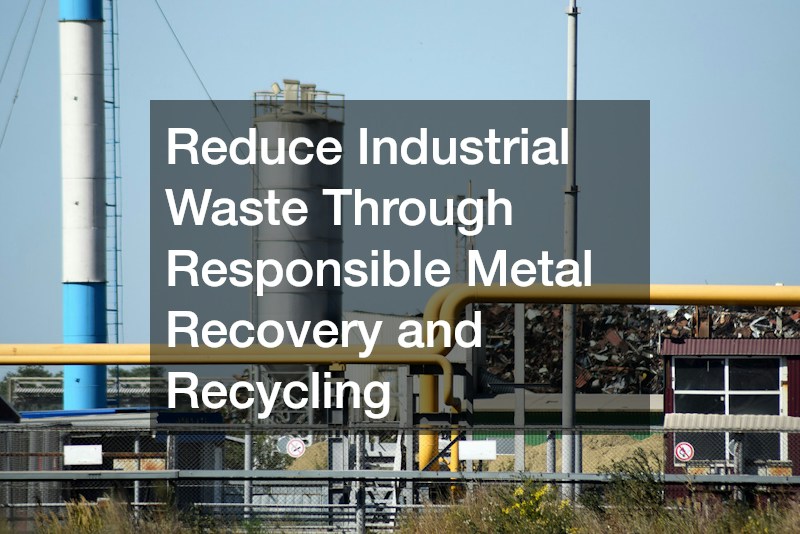
Manufacturing, construction, automotive repair, and demolition projects generate substantial quantities of scrap metal. Rather than sending these materials to landfills, businesses can recover valuable resources through organized recycling programs.
Metal recycling helps conserve raw materials and can reduce disposal expenses while supporting more responsible resource management.
Businesses can improve recycling efficiency by following these practices:
- Separate materials: Sort steel, aluminum, copper, brass, and other metals when practical.
- Designate collection areas: Establish clearly labeled containers for recyclable materials.
- Train employees: Explain proper sorting procedures and contamination concerns.
- Monitor waste volume: Track materials generated to identify recycling opportunities.
- Follow regulations: Ensure hazardous or restricted materials receive appropriate handling.
A metal recycling company can assist with collection, processing, and recovery of recyclable materials from commercial operations.
Before selecting a provider, ask about accepted metals, pickup arrangements, pricing procedures, and documentation requirements.
Organized recycling programs can reduce unnecessary waste while helping businesses recover value from materials that might otherwise be discarded.
Reduce Business Downtime With Organized Relocation and Transportation Planning
Relocating a business involves more than transporting furniture and equipment between locations. Poor planning can interrupt operations, damage valuable belongings, and create unexpected expenses.
Whether moving into a larger office or transferring equipment between facilities, developing a detailed relocation strategy helps minimize disruptions.
Important planning steps include:
- Create a timeline: Establish deadlines for packing, transportation, setup, and reopening.
- Inventory belongings: Document furniture, technology, equipment, and important materials.
- Protect valuable items: Use appropriate packing materials for fragile or specialized equipment.
- Label everything: Identify contents and destination rooms to simplify unpacking.
- Coordinate utilities: Arrange internet, electricity, and other essential services before reopening.
An experienced moving company can assist with packing, loading, transportation, and unloading, depending on the services offered.
Businesses should verify insurance coverage, applicable licensing, written estimates, and any restrictions involving specialized equipment.
Scheduling technology installation and essential workspace setup before employees return can help operations resume more smoothly.
Organized relocation planning reduces confusion and supports a more efficient transition.
Protect Buildings and Occupants With Proactive Fire Safety Planning
Fire prevention is essential for protecting employees, customers, buildings, and valuable business assets. Even small safety oversights can create serious risks when electrical equipment, flammable materials, or emergency systems aren’t properly maintained.
Businesses should establish comprehensive fire safety procedures that include prevention, inspections, and emergency preparedness.
Important safety measures include:
- Inspect electrical equipment: Address damaged wiring, overloaded outlets, and malfunctioning devices.
- Maintain emergency exits: Keep evacuation routes clearly marked and unobstructed.
- Check safety equipment: Ensure alarms, extinguishers, and sprinkler systems receive required inspections.
- Train employees: Review evacuation procedures and emergency responsibilities.
- Store materials safely: Follow appropriate requirements for flammable and combustible substances.
A qualified fire protection company can assist with installing, inspecting, testing, and maintaining fire safety systems.
Business owners should also understand applicable building codes, inspection schedules, and documentation requirements.
Regularly reviewing emergency plans helps ensure procedures remain appropriate as facilities and operations change.
Proactive fire safety planning can reduce risks, protect property, and support business continuity during unexpected emergencies.
Prevent Property Damage by Managing Hazardous Trees and Overgrown Vegetation

Trees provide shade, visual appeal, and environmental benefits throughout commercial and residential properties. However, damaged or poorly maintained trees can create hazards for buildings, vehicles, pedestrians, and nearby infrastructure.
Regular inspections help property owners recognize potential problems before falling branches or unstable trees cause damage.
Important warning signs include:
- Dead branches: Large limbs without healthy growth may pose falling hazards.
- Structural damage: Significant cracks or splitting can indicate instability.
- Unusual leaning: Sudden changes in a tree’s position require professional evaluation.
- Root problems: Exposed, damaged, or decaying roots may affect stability.
- Storm damage: Broken limbs and damaged trunks should be assessed promptly.
A qualified tree removal company can evaluate hazardous trees and determine whether removal is necessary.
Not every damaged tree requires removal. Professional pruning, monitoring, or other preservation measures may be appropriate when the tree remains structurally sound.
Property owners should also review local permit requirements and protected-tree regulations before beginning removal work.
Responsible tree management improves safety while preserving healthy vegetation and maintaining attractive outdoor environments.
Supporting Stronger Businesses and Communities
Essential industries contribute to the safety, efficiency, and economic stability of businesses and communities. From maintaining infrastructure and supporting manufacturing to protecting commercial properties and improving transportation, these services help everyday operations continue without unnecessary interruptions.
Understanding how different industries function allows business owners and property managers to recognize potential problems, plan improvements, and make informed decisions about professional services. Preventive maintenance, responsible resource management, and reliable service partnerships can also help reduce unexpected expenses.
Before selecting providers, take time to compare qualifications, review service agreements, and understand project requirements. Choosing dependable professionals can improve results while supporting long-term operational goals.
Businesses and communities function best when essential services remain reliable, accessible, and properly maintained. By investing in quality infrastructure, workplace safety, and responsible planning, organizations can create stronger foundations for growth while helping their surrounding communities remain productive, resilient, and prepared for future challenges.